Primitive Diva

My photo
Three Goats Farm of Montgomery, Texas
Melissa is a former beauty queen, personal trainer and certified holistic health coach. Melissa founded Queen Bee Wellness to specialize her coaching practice towards Women's Wellness and Beauty. She helps women focus on finding their own natural beauty from a integrative approach of balancing Mind, Body and Soul. Melissa believes that what we put in our mind is just as important as the nourishing food we put in our bodies and products on our skin. She strives to coach women to balance a healthier body image, approach to wellness and authentic living. With her passion for a clean lifestyle, Queen Bee Wellness therapeutic skin care products were born- to help women enhance their natural glow, without causing harm to their health from chemical laden toxic products. Melissa's philosophy to real beauty is summarized in "Wellness is Beauty". Melissa resides on a 10 acre farm in Montgomery, Texas with her husband and teen aged children. In her spare time she is chief goat wrangler and milker of her "Queen Bee" herd of dairy goats at Three Goats Farm.

Monday, September 19, 2011

Naked Beauty....?


As a FORMER beauty queen, free lance print model and simply being a female raised in the south, I certainly relate the sad but true "bondage" of self-image. In the past, like so many women, I would never leave the house without at least swiping on a quick coat of mascara, lip gloss or hiding behind sunglasses (*See DIVA, haha). However, over the years, I have slowly stepped away from the use and reliance of chemical cosmetics. I instead have focused of building beautiful ageless skin from the inside out. At an age...(Okay, I proudly admit that I am approaching 46)when I should be hiding age spots and wrinkles- I am embracing the natural character of my features by enhancing a glow that can be achieved ONLY with healthy fats, limiting sugar(highly inflammatory)and avoiding chemicals that can damage the skin and upset the bodies natural cycles.Instead of spending so much money each month of cosmetics, cover-ups and chemicals in a tube--have a relaxing, luxurious and nourishing spa facial (all natural Primitive Diva style, of course!)

Diva's,I know it sounds like such a simple idea- but when it comes down to it, you may be surprised by how hard it is to strip off that protective layer, step out of your comfort zone, and deliberately show the world your makeup free faces.But...I know, that soon,you will feel much more comfortable bearing a fresh, makeup free healthy glow to the world. it’s scary to bare yourself to the world and then wait for their reaction, but the reaction will be good and imagine if we could overturn prevailing thoughts that a woman needs to hide behind makeup in order to be beautiful!

Nourishing your body with healthy foods, using natural skin care products and methods (i.e. dry brushing, oil cleansing, garden facials, sleep and respectful time in the sun) will give you a GLOW to SHOW. You will realize how liberating, inspiring, and, needless to say, time saving it can be! Ready? Set? Shine.....!

Monday, September 5, 2011

The Skinny On Fats


Confused About Fats.....?

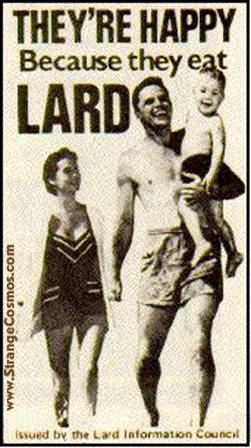
I have so much to share on the many health benefits of healthy fats in the diet- but wanted to give you the skinny version today.I will provide more coverage in the near future (Like, my own personal LARD rendering project) Fats from animal sources provide a concentrated source of energy in the diet. They also provide the building blocks for cell membranes and a variety of important HORMONES! Diva's,did you know~ fats act as a natural appetite supressant, they nourish our hair, skin and joints. In addition, they act as carriers for important fat soluable vitamins and in mineral absorption. The following nutrient-rich traditional fats have nourished our primitive and healthy populations for thousands of years:


For Cooking
Butter
Tallow and suet from beef and lamb
Lard from pigs
Chicken, goose and duck fat
Coconut, palm and palm kernel oils

For Salads
Extra virgin olive oil (also OK for cooking)
Expeller-expressed sesame and peanut oils
Expeller-expressed flax oil (in small amounts)

For Fat-Soluble Vitamins
Fish liver oils such as cod liver oil (preferable to fish oils, which do not provide fat-soluble vitamins, can cause an overdose of unsaturated fatty acids and usually come from farmed fish.)

The following modern, man made and chemically processed fats can cause cancer, heart disease, immune system dysfunction, sterility, learning disabilities, growth problems and osteoporosis:

All hydrogenated and partially hydrogenated oils
Industrially processed liquid oils such as soy, corn, safflower, cottonseed and canola

Fats and oils (especially vegetable oils) heated to very high temperatures in processing and frying.

The Many Roles of Saturated Fat
Saturated fats, such as butter, meat fats, coconut oil and palm oil, tend to be solid at room temperature. According to conventional nutritional dogma, these traditional fats are to blame for most of our modern diseases–heart disease, cancer, obesity, diabetes, malfunction of cell membranes and even nervous disorders like multiple sclerosis. However, many scientific studies indicate that it is processed liquid vegetable oil–which is laden with free radicals formed during processing–and artificially hardened vegetable oil–called trans fat–that are the culprits in these modern conditions, not natural saturated fats.

Humans need saturated fats because we are warm blooded. Our bodies do not function at room temperature, but at a tropical temperature. Saturated fats provide the appropriate stiffness and structure to our cell membranes and tissues. When we consume a lot of liquid unsaturated oils, our cell membranes do not have structural integrity to function properly, they become too “floppy,” and when we consume a lot of trans fat, which is not as soft as saturated fats at body temperature, our cell membranes become too “stiff.”

Contrary to the accepted view, which is not scientifically based, saturated fats do not clog arteries or cause heart disease. In fact, the preferred food for the heart is saturated fat; and saturated fats lower a substance called Lp(a), which is a very accurate marker for proneness to heart disease.

Saturated fats play many important roles in the body chemistry. They strengthen the immune system and are involved in inter-cellular communication, which means they protect us against cancer. They help the receptors on our cell membranes work properly, including receptors for insulin, thereby protecting us against diabetes. The lungs cannot function without saturated fats, which is why children given butter and full-fat milk have much less asthma than children given reduced-fat milk and margarine. Saturated fats are also involved in kidney function and hormone production.

Saturated fats are required for the nervous system to function properly, and over half the fat in the brain is saturated. Saturated fats also help suppress inflammation. Finally, saturated animal fats carry the vital fat-soluble vitamins A, D and K2, which we need in large amounts to be healthy.

Human beings have been consuming saturated fats from animals products, milk products and the tropical oils for thousands of years; it is the advent of modern processed vegetable oil that is associated with the epidemic of modern degenerative disease, not the consumption of saturated fats.

The Fat-Soluble Activators
The crux of Dr. Price’s research has to do with what he called the “fat-soluble activators,” vitamins found in the fats and organ meats of grass-fed animals and in certain seafoods, such as fish eggs, shellfish, oily fish and fish liver oil. The three fat-soluble activators are vitamin A, vitamin D and a nutrient he referred to as Activator X, now considered to be vitamin K2, the animal form of vitamin K. In traditional diets, levels of these key nutrients were about ten times higher than levels in diets based on the foods of modern commerce, containing sugar, white flour and vegetable oil. Dr. Price referred to these vitamins as activators because they serve as the catalysts for mineral absorption. Without them, minerals cannot by used by the body, no matter how plentiful they may be in the diet.

Modern research completely validates the findings of Dr. Price. We now know that vitamin A is vital for mineral and protein metabolism, the prevention of birth defects, the optimum development of infants and children, protection against infection, the production of stress and sex hormones, thyroid function, and healthy eyes, skin and bones. Vitamin A is depleted by stress, infection, fever, heavy exercise, exposure to pesticides and industrial chemicals, and excess protein consumption (hence our warnings against the consumption of excess protein in the form of lean meat, lowfat milk and protein powders.)

Modern research has also revealed the many roles played by vitamin D, which is needed for mineral metabolism, healthy bones and nervous system, muscle tone, reproductive health, insulin production, protection against depression, and protection against chronic diseases like cancer and heart disease.

Vitamin K plays an important role in growth and facial development, normal reproduction, development of healthy bones and teeth, protection against calcification and inflammation of the arteries, myelin synthesis and learning capacity.

Modern health literature is rife with misinformation about the fat-soluble vitamins. Many health writers claim that humans can obtain adequate vitamin A from plant foods. But the carotenes in plant foods are not true vitamin A. Instead, they serve as precursors that are converted into vitamin A in the small intestine. Human beings are not good converters of vitamin A, especially as infants or when they suffer from diabetes, thyroid problems or intestinal disorders. Thus, for optimal health, humans require animal foods containing liberal amounts of vitamin A. Similarly, many claim that adequate vitamin D can be obtained from a short daily exposure to sunlight. But the body only makes vitamin D when the sun is directly overhead, that is, in the summer months, during midday. For most of the year (and even in the summer for those who do not make a practice of sunbathing), humans must obtain vitamin D from foods. As for vitamin K, most health books mention only its role in blood clotting, without recognizing the many other vital roles played by this nutrient.

Vitamins A, D and K work synergistically. Vitamins A and D tell cells to make certain proteins; after the cellular enzymes make these proteins, they are activated by vitamin K. This synergy explains reports of toxicity from taking vitamins A, D or K in isolation. All three of these nutrients must come together in the diet or the body will develop deficiencies in the missing activators.

The vital roles of these fat-soluble vitamins and the high levels found in the diets of healthy traditional peoples confirm the importance of pasture-feeding livestock. If domestic animals are not consuming green grass, vitamins A and K will be largely missing from their fat, organ meats, butterfat and egg yolks; if the animals are not raised in the sunlight, vitamin D will be largely missing from these foods.

Because it is so difficult to obtain adequate fat-soluble activators in the modern diet, Dr. Price recommended cod liver oil to provide vitamins A and D, along with a source of vitamin K, such as butter from grass-fed animals or what he called high-vitamin butter oil, made by low-temperature centrifuging of butter from cows eating rapidly growing grass. Consumed in liberal amounts during pregnancy, lactation and the period of growth, these nutrients ensure the optimal physical and mental development of children; consumed by adults, these nutrients protect against acute and chronic disease.

So, remember the ONLY thing LOWFAT in my kitchen is ME (wink)!

Sunday, September 4, 2011

Got Fatigue.....?


At the beginning of the September challenge, I had a fellow Primitive Diva submit a request to address the whole "getting free of caffeine and sugar" issue. Well, honestly sugar is not a problem for me be cause it has been out of my world for so long.So, I posted a blog a few days ago on the top 50 effects that sugar has on the body. If that does not sway your love of the sweet poison- then nothing will! But, ummmm...I have to give up my cup of Organic Sumatran every morning? Ouch.... I mean, there have been several times in my life when I have gotten off coffee/caffeine for months at a time and really did not miss the coffee just the ritual of what coffee offers. Like a Folgers commercial..."The best part of waking up is ....in your cup" and the lady in the commercial is breathing in her coffee and watching the sunrise. So maybe its just become symbolic of my "waking up". So, I have still been enjoying my morning cup of joe just convincing myself that its primitive and our ancestors have been drinking it for years, right? And I only drink ONE cup (It used to be two cups and a Starbucks Venti in the afternoon a few years ago). But as I pondered how to help this friend, I began to realize that an ongoing recovery of adrenal fatigue from a stress filled time in my life, combined with a bit of type A personality may be greatly benefitted in my giving up my love affair with coffee and actually nourishing my body with what it needs to really WAKE up.So with great inspiration, I have been enjoying a warm version of my sunrise elixir and a delicious cup of therapeutic cinnamon coconut oil cocoa. I will share a few of the recipes below. But first lets discuss what caffeine does to your body--more specifically how it effects your adrenal glands and your metabolism.

Health Issues associated with Coffee and Caffeine

There are four main health issues caused by coffee and the over-consumption of caffeine:

1) Exhausted Adrenal Glands: Caffeine is a central nervous system stimulant. It causes the adrenal glands secrete adrenaline, the hormone your body depends on in emergencies to elevate your heart rate, increase your respiration and blood pressure for a rapid flight-or-fight response. When you overuse stimulants, the adrenals become exhausted. If your caffeine sensitivity has diminished or you're one of those who claims you can drink 3 shots of espresso and go right to sleep, guess what? Your adrenals have given up responding. This means you have less resistance to stress, which leaves you vulnerable to health hazards such as environmental pollutants and disease pathogens.

As we age, the adrenals become more and more important to us as the production center of the essential youth and sex hormones including DHEA, pregnenolone, progesterone, testosterone and estrogen. Many people in their forties find they can no longer tolerate the same level of caffeine consumption as they could in their twenties and thirties. The multiple effects of aging become apparent in the forties and the body frequently shows an increased variety of reactions to the toxicity of coffee and caffeine.

The adrenals can be considered the storage center for the vital force, your inherited reservoir of energy. They need nourishing to keep them in optimal health. Think of your adrenals as a bank account. If you continue to make withdrawals without any deposits, you will hit bottom with a looming overdraft in the form of depleted energy and health.

2) Severe Blood Sugar Swings: Caffeine forces the liver to release glycogen into the blood stream. The pancreas responds to the sudden rise in blood sugar by releasing insulin, the hormone which causes excess carbohydrates to be stored as fat. Within the span of an hour or two, the result is a sharp blood sugar drop resulting in a state of hypoglycemia (low blood sugar). That's when you think it's time for another cup of coffee and the whole cycle starts up again.

Achieving a hormonal balance and blood sugar stability allows you to maintain your natural weight and optimal energy level.The breakdown of caffeine causes the pancreas to release too much insulin, thus creating a climate in which excess carbohydrates are stored as fat and are unavailable for use as energy by your brain. Although caffeine is a metabolic stimulant, the ultimate effect is to increase your appetite and contribute to weight gain and thus caffeine should be avoided by anyone working to reduce body fat.

3) Acid Imbalance: Over 208 acids in coffee can contribute to indigestion and a wide variety of health problems resulting from over-acidity associated with arthritic, rheumatic and skin irritations. Many people experience a burning sensation in their stomach after drinking coffee because coffee increases the secretion of acid in the stomach. Optimal health calls for an alkaline pH balance in the body.

4) Essential Mineral Depletion: Coffee inhibits the absorption of some nutrients and causes the urinary excretion of calcium, magnesium, potassium, iron and trace minerals, all essential elements necessary for good health. Women need to be concerned about osteoporosis as menopause sets in. Studies show that women who drink coffee have an increased incidence of osteoporosis compared to non-coffee drinkers. Men are not immune to osteoporosis either.

­There are a number of health conditions for which doctors advise their patients to eliminate coffee and all caffeine from their diet.

· Acid indigestion

· Anxiety, irritability and nervousness

· Candida or yeast problems

· Colitis, diverticulitis, diarrhea and other irritable bowel symptoms

· Chronic Fatigue Syndrome and other auto-immune disorders

· Diabetes or hypoglycemia (low blood sugar)

· Dizziness, Meniere's syndrome or tinnitus (ringing in the ears)

· Heart disease or heart palpitations

· High blood pressure

· High cholesterol

· Insomnia and interrputed or poor quality sleep

· Liver disease and gallbladder problems such as gallstones

· Kidney or bladder problems including kidney stones

· Migraines or other vascular headaches

· Osteoporosis

· Skin irritations, rashes and dryness

· Ulcers, heartburn, and stomach problems such as hiatal hernias

· Urinary tract irritation

Female Health Issues: Women in particular need to be concerned about their caffeine intake during pregnancy because caffeine crosses the placental barrier to the fetus and studies show higher incidence of miscarriage, infertility and low birth weight in those women who drink too much caffeine. PMS symptoms and fibrocystic breast disease are both aggravated by caffeine. Hot flashes and other symptoms caused by hormonal fluctuations during menopause also are aggravated by caffeine. Coffee causes the body to excrete calcium and other minerals. Women at risk for osteoporosis need to eliminate their intake of caffeine and coffee.

Male Health Issues: Coffee is an irritant to the urinary tract and bladder. It is also a diuretic that aggravates conditions associated with frequent urination. Eliminating coffee and caffeine often relieves symptoms associated with frequent urination due to enlarged prostate glands


Obviously there are many herbal teas that are caffeine free....But, personally- I need something more substantial in the morning. I will save my teas for afternoon relaxation. I still indulge in my love of Yerba Mate- but thats reserved for days when I need an extra boost of mental alertness and its far less damaging to my body than coffee. Here are a few of my favorite morning drinks~ ENJOY!

Sunrise Elixir:
6-8 ounces of warm/hot filtered water
1 teaspoon of *Sunrise Elixir Spices
1 teaspoon lemon juice
1 teaspoon apple cider vinegar (Braggs)
optional: stevia to sweeten
(* In a small jar,mix together equal amounts of cinnamon,tumeric,ginger and cayenne-use 1 teaspoon of blend for every 6-8 ounce elixir-may be drank cold)

Cinnamon Coconut Cocoa:
6-8 ounces warm/hot coconut milk
1 tablespoon of Nutiva coconut oil (or your preference)
1 teaspoon organic cacao/cocoa or carob powder
1 teaspoon cinnamon
Optional: stevia to sweeten
(I like to add a bit of cayenne/chili powder for a morning kick. You may also omit the chocolate and add chai spices, this works well with pure filtered water in subsitute of coconut milk)

So, sit back drink up the nourishment and heal your body....!


Saturday, September 3, 2011

Oil Cleansing


I began the Oil Cleansing Method a few years ago. I have always used a combination of Coconut Oil and a drop of Tea Tree oil and Lavender. I recently read a suggestion to incorporate Castor and Olive oils to my routine for extra nourishment of my skin.I wanted to share with you the steps, recipe and instructions on making your own oil cleanser.....My personal blend: 1 teaspoon of oil cleanser that is 70% coconut oil/20% olive oil/10% Castor oil with a drop of tea tree oil.

Clear, glowing, dewy-looking skin, free of wrinkles, creases,discoloration, blackheads, pimples, cysts, and other imperfections seems to be an elusive goal. The booming skin care industry would have you believe the same with their claims of the need to rid your skin of oil completely and apply burning chemicals in order to avoid these imperfections.We need to cleanse the impurities not strip the oils.Oils dissolve oils, right?


It might sound a little odd to clean your face with an oil, especially if you have oily skin. But contrary to popular belief, oil does not cause oily skin or acne. That culprit is usually a combination of hormones, trapped bacteria, and dirt.

Like your hair, the sebum that the skin secretes is actually good for your skin — it’s there to protect it from the outside environment, and to keep harmful things from seeping in. Since water doesn’t break up oil, most commercial cleansers are marketed with the “oil free” stamp of approval, making them easy to splash off.

When skin’s natural oils are removed, the body’s reaction is to compensate by producing more oil, much like shampoo does with our hair. Or if your skin is dry, it’s because all the oil has been stripped away, and your body doesn’t compensate by replenishing it (that was my case).

Here’s a direct quote from acne.org:

“Oil dissolves oil. One of the most basic principals of chemistry is that “like dissolves like.” The best way to desolve a non-polar solvent like sebum/oil, is by using another non-polar solvent similar in composition: other oils. By using the right oils, you can cleanse your pores of dirt and bacteria naturally, gently and effectively, while replacing the dirty oil with beneficial ones extracted from natural botanicals, vegetables and fruit that heal, protect and nourish your skin. When done properly and consistently, the OCM can clear the skin from issues like oily skin, dry skin, sensitive skin, blackheads, whiteheads and other problems caused by mild to moderate acne–while leaving your skin healthy, balanced and properly moisturized.”

So in essence, good-quality oil is the perfect substance for cleaning sensitive skin, such as on our face, because it helps gently remove the dirty oil and replaces it with good, nourishing, healing oil.

While we're talking about clarifying your skin externally, we must also touch on the internal aspect. WATER! Drink no less than 8 glasses of water a day. If your skin has issues with blemishes, drink up! Water will help release and remove the toxins from within, lessening the load on your skin to push the toxins out.It will also keep your entire body hydrated, including plump, nourished and glowing skin.

The basic concept of this skin care and cleansing method is that the oil used to massage your skin will dissolve the oil that has hardened with impurities and found itself stuck in your pores. The steam will open your pores, allowing the oil to be easily removed. Should you need it, the smallest drop of the same oil formula patted over damp skin will provide the necessary lubrication to keep your skin from over-compensating in oil production.

Let me share the instructions for using the Olive and Castor oils. I have personally incorporated Coconut oils as a trio blend, for the added anti-viral benefit of CCO and I love the results!


Oil Cleansing Method:

What is needed? The first, and most important ingredient, is Castor Oil.It has many medicinal qualities and will benefit your skin immensely. Though it may be our most important oil, we won't be using it in the amounts that we will the other oil (or combination of oils for those who want to take this a step further). A little bit of Castor Oil goes a long way and too much will leave you, surprisingly, with dry skin. Since Castor Oil is so thick and its cleansing properties so strong, we must dilute it with another oil like sunflower, olive or coconut. Other beneficial oils to combine with Castor oil are jojoba oil, grapeseed oil, and flaxseed oil, especially if their skin is very oily. I haven’t tried these personally, though.If your skin is on the dry side, almond oil and evening primrose oil are also good carrier oils.

Tea tree essential oil is a natural antiseptic, and is great for clearing up acne. Try a few drops into your OCM mixture. Only use a few drops — a little goes a long way.


1. Make your cleaner
Simply mix the oils together in a small bottle, give it a little shake, and you’ve got yourself a homemade, frugal facial cleanser. The most popular blend of oils for this cleansing method is castor oil and extra-virgin olive oil (EVOO). The castor oil draws out dirt and other gunk from your pores. The EVOO is a brilliant moisturizer, helping heal and nourish the skin.

• For those with normal skin, you could start off with a one-to-one ratio of castor oil and EVOO.

• For those with acne-prone or oily skin, reduce the proportion of EVOO, and try three parts castor oil to one part EVOO.

• For those with drier skin, start off with one part castor oil to three parts EVOO. This is what I use.

Experiment, and find what ratio works for you. Just start off with a little bit, and then try it for a few days. I began with one teaspoon of castor oil and three teaspoons of EVOO in a little squeeze bottle.

2. Gently rub it in
Pour a quarter-sized amount into your palm, rub your hands together, and slowly massage your skin with your fingertips. Don’t splash your face with water first — apply it dry. Work the oil into your skin for about a minute, and enjoy the peaceful massage at work. Don’t scrub — just rub.

3. Steam your face
Next, wet a washcloth with hot water (but not scalding!), and put it over your face until it’s about room temperature. This is steaming out your pores, removing the impurities and the dead skin cells. It’ll take about a minute — enjoy the nearly-free facial.

4. Wipe off the oil
Take the washcloth, rinse and wring it, then gently wipe off the oil. Your skin will probably feel softer immediately.

Enjoy the benefits


• If you’re like me, your skin will feel softer and look a bit brighter. It won’t feel tight, but it won’t be greasy, either. Olive oil has the same pH as human skin, so it’s the perfect cleansing balancer.

• The OCM also brilliantly removes makeup. It works better than make up removers. Much cheaper, too.

• You also probably won’t need to do this more than once per day. I do this at night, just before bed. In the morning, I simply splash my face with cold water to wake up. Every now and then, I’ll dab on a little bit of moisturizer, but I hardly need that anymore. I never thought I’d see that day.


So stay Primitive with your BEAUTY also Diva's!

Thursday, September 1, 2011

Sweet Deception...?


I think one of the hardest items for people to give up from their SAD (Standard American Diet) is undoubtedly, SUGAR! I stumbled upon a list of the 50 most common effects that sugar has on the body.Its a brutal eye opener. And Diva's/Dudes.....even if it says Organic, Natural,etc...its STILL sugar!

1.Sugar can suppress the immune system.
2.Sugar upsets the mineral relationships in the body.
3.Sugar can cause hyperactivity, anxiety, difficulty concentrating, and crankiness in children.
4.Sugar can produce a significant rise in triglycerides.
5.Sugar contributes to the reduction in defense against bacterial infection (infectious diseases).
6.Sugar causes a loss of tissue-elasticity and function; the more sugar you eat the more elasticity and function you loose.
7.Sugar reduces high-density lipoproteins.
8.Sugar leads to chromium deficiency.
9.Sugar leads to cancer of the ovaries.
10.Sugar can increase fasting levels of glucose.
11.Sugar causes copper deficiency.
12.Sugar interferes with absorption of calcium and magnesium.
13.Sugar may make eyes more vulnerable to age-related macular degeneration.
14.Sugar raises the level of neurotransmitters: dopamine, serotonin, and norepinephrine.
15.Sugar can cause hypoglycemia.
16.Sugar can produce an acidic digestive tract.
17.Sugar can cause a rapid rise of adrenaline levels in children.
18.Sugar malabsorption is frequent in patients with functional bowel disease.
19.Sugar can cause premature aging.
20.Sugar can lead to alcoholism.
21.Sugar can cause tooth decay.
22.Sugar contributes to obesity.
23.High intake of sugar increases the risk of Crohn’s disease and ulcerative colitis.
24.Sugar can cause changes frequently found in persons with gastric or duodenal ulcers.
25.Sugar can cause arthritis.
26.Sugar can cause asthma.
27.Sugar greatly assists the uncontrolled growth of Candida Albicans (yeast infections).
28.Sugar can cause gallstones.
29.Sugar can cause heart disease.
30.Sugar can cause appendicitis.
31.Sugar can cause hemorrhoids.
32.Sugar can cause varicose veins.
33.Sugar can elevate glucose and insulin responses in oral contraceptive users.
34.Sugar can lead to periodontal disease.
35.Sugar can contribute to osteoporosis.
36.Sugar contributes to saliva acidity.
37.Sugar can cause a decrease in insulin sensitivity.
38.Sugar can lower the amount of Vitamin E (alpha-Tocopherol) in the blood.
39.Sugar can decrease growth hormone.
40.Sugar can increase cholesterol.
41.Sugar can increase the systolic blood pressure.
42.High sugar intake increases advanced glycation end products (AGEs) (Sugar bound non-enzymatically to protein).
43.Sugar can interfere with the absorption of protein.
44.Sugar causes food allergies.
45.Sugar can contribute to diabetes.
46.Sugar can cause toxemia during pregnancy.
47.Sugar can contribute to eczema in children.
48.Sugar can cause cardiovascular disease.
49.Sugar can impair the structure of DNA.
50.Sugar can change the structure of protein.


The only amount of sugar that is a SAFE amount of sugar is none. Remember the question....would our ancestors have eaten it? NO, they would not have consumed many formsof sugars other than naturally occurring amounts in seasonal fruit and the rare treat of raw honey.So, there you have it. Just let your LIFE be SWEET not your FOOD!

Tuesday, August 30, 2011

September Primitive Diva Challenge


Embracing the 10 foundational Roots of being a Primitive DIVA


Remember- a tree can only be as strong as its roots!

The diet of our primitive ancestors did NOT contain refined sugar,HFCS, processed GMO grains,Canned foods, Pasteurized, Homogenized dairy, heat refined vegetable oils, synthetic vitamins, toxic additives, food coloring….the list is exhaustive with chemical components that make up our SAD (Standard American Diet) diet of FRANKENFOODS! It has created a need for us to get back (WAY back) to basics and begin to Hunt and Gather, just like our ancestors. Only we have to hunt in modern, day big box mega-supermarkets instead of the wild. I don't know about you....but I think its safer in the wild than a dinner hour mad rush at my local market-YIKES! So here are the ROOTS to becoming a Primitive Diva....Please share your questions, and I will answer them over the next few weeks.


•Hunting and Gathering ~(at your local farm or farmers market, Divas!) quality sources of pastured, grass fed or wild caught protein (all forms, including organ meats, fowl/poultry, fish and eggs),Raised as nature intended/environment/food-- lots of colorful ORGANIC vegetables, some select fruits (mostly berries),Nuts and seeds(soaked and sprouted) and healthy fats (that come from cold pressed nuts, avocados, olives,coconuts and ANIMAL fats like butter,lard,tallow-).Your body needs these healthy fats for proper metabolism of nutrients and to maintain hormone levels. I also promote the consumption of moderate amounts of raw dairy from cows/goats. This includes milk, cheese, kefir and yogurt—MAKE sure these are sourced from a trusted and respected dairy farmer! 40% of your diet should consist of animal protein/fats and 60% vegetable/plant based with a focus on greens/nuts and seeds and berries- source foods that are RAW, sprouted/cultured/fermented or minimally cooked. This will offer true nourishment that your body needs and craves. Eliminate grains, chemicals, dyes, preservatives, starches/sugars, trans- and hydrogenated fats (processed vegetable fats), fast foods and “Franken-Foods” from your diet. Ask yourself a very simple question before you choose you food—Would my Primitive Diva Sister have recognized this as food some 40,000 years ago? If not, put it down…its NOT food!


"Animal fat and protein was the nutritional mainstay of our ancestors. If they happened upon a thicket of berries, no doubt they partook but the core of their diet was animal flesh and animal fat. "yes, and they didn't carry a bucket or plastic baggies to fill up for later either. they ate what could fit in their hand as they kept moving......Instant portion control!


2) SUN~ Vitamin D - Contrary to the scare tactics of the media and sunscreen manufacturers (who suggest you shun the sun), My well researched, Primitive philosophy suggest that you get some direct sunlight every day. Certainly not so much that you even come close to burning, but definitely enough to prompt your body to make the all-important vitamin D and to support the mood-lifting benefits.*There is a increasing Vitamin D deficiency in this country- with the onslaught of marketed sunscreens and avoidance. –RESPECT the sun 30 minutes a day. Dry skin brushing prior to a sun bath! A slight tan is a good indicator that you have maintained adequate Vitamin D levels. Natural sunlight also has a powerful HAPPINESS effect.


3) PLAY~ Throw off those high heels and go barefoot! Get your Vitamin N…(NATURE.Spend some time outdoors in the fresh air each week involved in active play and truly reconnecting with nature. In addition to efficiently combining your fitness to a real-life situation, nature based play helps dissolve some of the negative effects of the chronic stress hormones you’ve been creating in your ever hectic and crazy, stress filled life. Do some form of intense anaerobic sprint bursts several times a week (playing chase with your kiddo’s or the dog). This could be as simple as a few short sprints up a hill, on the grass, at the beach… or repeated intense sessions on a bicycle (stationary, road or mountain bike). These short bursts also increase HGH release (HGH is actually released in proportion to the intensity (not the duration) of the exercise).


4) SLEEP~ Ahhhhh.....nothing is more important to a girl than ”beauty sleep”! Our lives are so hectic and full of things to do after the sun goes down that it’s often difficult to get enough sleep. Yet sleep is one of the most important factors in maintaining good health, vibrant energy, a strong immune system and balanced hormones. Your body requires 8+ hours of sleep every night. Less than 6 hours, can lead to insulin resistance and hormonal dysregulation as well as increased risk of cancer. Be sure the room you sleep in is as dark as possible (Ladies, think CAVE!) no night lights or wear a soft eye mask. Unplug all electrical appliances (EMF disturbance)—Avoid carbohydrates, including alcohol (drink your red wine early ladies)before bed as these can interfere with deep restorative sleep.


5) WATER~ Pure fresh hydration. Staying hydrated is THE basic principle for all of the bodies metabolic processes. It keeps our energy and metabolism humming, cleanses waste from our cells and keeps our skin plump and wrinkle free!


6) SLOW DOWN~ Take a walk, clear your mind, practice YOGA or Tai Chi, and meditate. Take time daily to quieten your mind and listen to your soul. Meditate don’t Medicate…..Stress can wreak havoc on all of your attempts at living a healthy and primitive life- Let IT Go!


7) Strong BODY ~Build physical strength with functional fitness. Resistance exercises will keep your bones strong and your metabolism fired up. Did our primitive ancestors have gym memberships? They hunted, gathered, foraged, wandered, scouted, migrated, climbed and crawled. The women carried their babies much of the time (hey, no nannies in those days), as well as bundles of firewood, or whatever they had gathered. Remember “Lift like a man BUT look like a GODDESS” So throw off those Nikes, find something heavy to lift, climb a tree, swim in the ocean and Just do it! No gym needed….spend those fees on a massage and a mani-pedi!


8) Strong MIND~ Build mental strength. Keep your mind healthy, strong and sharp. Put your tiara’s away on the shelf and grab some interesting books. Expand your knowledge of anything you can dream. It’s VERY empowering! Instead of the boob tube----read your favorite book. Knowledge is one of the few few precious things that cannot be taken from you.


9) Naked Beauty~ Beauty starts from the inside out with healthy living. However, we must keep the same primitive philosophy that we use on our food choices as on our skin. It is the largest organ of the body! Choose pure, chemical free, natural and indigenous ingredients when it comes to skincare. Read the labels ladies-would you eat it? If not, don’t put it on your skin! I have tons of recipes to share in the book on smoothies for your hair /skin primitive diva tooth polish and body scrub... ALL from the garden and your kitchen! Think outside of the box(the toxic chemical cosmetic box, that is!)


Lastly, remember part of being a Primitive Diva, is to nurture and heal the earth…

10) HEAL The EARTH~ Give back to the earth...Recycle/Reuse/Reduce our use and reliance on plastics (BPA), Compost (FLIRT with the DIRT). Avoid chemicals and fertilizers that can harm our families and pets, destroy our water supply and poison our soil. Remember, if those before us had completely trashed the world-**They tried! we would not be here right now

“We do not inherit the earth from our ancestors, we borrow it from our children.” ~Native American Proverb


Be strong, Be healthy and Be primitive~ MUAH!


Thursday, August 25, 2011

BUTTER.....it does a body good!


Butter...It’s arguably the most sensual, celebrated natural food, inspiring humans and even ancient architects of Hindu scripture to sing its buttery praises. Butter is subtle and delicious, a supporting actor and a star, a symbol of wholesome, simple comfort and of luxury. Butter is sexy and persuasive! Butter is one of the most wholesome and healthful foods you can eat, provided it is good quality(pastured)butter. Eat butter from grass-fed cows regularly, and you’ll be further along on your way to a healthy life.


What exactly is so great about butter? Aside from the delicious taste, butter – especially butter from certain times of year, known as "Limited Edition" – is actually a concentrated source of some essential fat-soluble vitamins you may be missing in your diet, some of which are surprisingly rare.


In the 1930s and 40s,(over 50 years before Mike Myers put on a big wig and declared everything good to be “like buttah,”) a dentist named Weston A. Price set out to study the diet and health of primitive and traditional cultures around the world, and to determine why so many populations eating traditional diets were healthier than the patients he saw at home who had been raised and sustained on a Western diet of highly refined foods.


Among his discoveries: a mysterious compound he called Activator X that seemed to make the most significant difference between populations in preventing dental cavities and degenerative diseases, and seemed even to enhance the health-supporting effects of cod liver oil. He observed the occurrence of “Activator X” in the fat/butterfat and organ meats of animals eating rapidly-growing spring and autumn grass, and also in fish eggs. He realized that the foods in which it appeared were consistently prized by cultures around the world. This compound was especially pronounced in seasonal, deeply yellow-orange butter, so much so that Price went on to include a concentrated form of this best quality butter in a successful food regimen aimed at rejuvenating the health of children with whom he worked.


Recent research has identified this compound, replacing the superhero-esque name “Activator X” with the more straightforward: Vitamin K2 menaquinone-4 (or MK-4). Haven’t heard of it or spotted it on the vitamin-laden shelves in your local drugstore? It’s not particularly well-known, although it’s essential to our health in ways still being explored. Vitamin K2 seems to interact with and enable actions of other fat-soluble vitamins like vitamin D and vitamin A (both also found in butter) and minerals such as calcium. It is critical for healthy bone development and bone strength, plays an essential role in fetal development, seems to help with decreasing calcification of the arteries, and plays a role in neuronal structure and in preventing the loss of brain cells due to lack of oxygen in particular. It concentrates in cells essential to our physical and neurological development and health. In short: while we’re still learning about it, you don’t want to leave this vitamin out of your diet.


Nature’s cues, and losing our butter knowledge


So, where to find vitamin K2 MK-4? It’s found in some of the most nutritious foods on Earth: liver (especially goose liver), butter, fish eggs, eggs, and, in trace amounts, in cheese and meats. For this form of the vitamin to occur in these animal products, Weston Price’s observations remain true: it is found in the fats of animals consuming a lot of plant matter that’s high in phylloquinone, vitamin K1. For land mammals, that means those raised on pasture, and in particular, those eating the rapidly-growing grasses of spring and fall.


Why this grass? There’s a ~Food is Love~ blog I stumbled upon that shared an interesting story "I found in Brewer’s Dictionary of Phrase and Fable, a great reference source for word geeks, originally published in 1894 back when butter was more respected. Brewer’s has an entry on the flower buttercups that caught my eye..."


BUTTERCUPS

So called because they were once supposed to increase the butter of milk. No doubt those cows give the best milk that pasture in fields where buttercups abound, not because these flowers produce butter, but because they grow only on sound, dry, old pastures, which afford the best food. Miller, in his Gardener's Dictionary, says they were so called “under the notion that the yellow colour of butter is owing to these plants.”


- Brewer’s Dictionary of Phrase and Fable


So much for “I’m called Little Buttercup... though I could never tell why...” Now we know. Buttercups flower most prolifically in springtime, when the butter is best. In the springtime too, when the grass is growing quickly, plants produce significant amounts of vitamin K1, which ruminants conveniently transform into Vitamin K2 for us (thanks, ruminants!) when we consume their delicious fat in the form of butter.


Please note....Butter is supposed to be yellow. Nature sometimes helps us realize a food is good for us by hitting us over the head with visual cues. Nature does that with K2-rich butter: it’s extremely yellow, compared to the slightly-yellow color of grass-fed you’d see other times of year. Virtually no butter we find in the supermarket these days is yellow; it’s white as paper, from cows largely fed grain (or worse, ewwww).


We’ve lost our path when it comes to butter. We eat margarine, eat tasteless butter from cows stuffed with grain, and buy boxes of microwavable “buttered popcorn” (another crime against nature) that has no trace of actual butter in it, but is instead covered in chemicals and oil.


We’re also taught to believe butter is bad for us, an indulgence, something that will give us a heart attack and make us fat. This simply isn’t true. The fat found in butter does not turn into the fat found on our bodies, and instead is essential for our absorption of nutrients and our neurological health. I’m a voracious butter-eater am considered fit and healthy (did you know that the CLA-Conjugated Linoleic Acid that is naturally occurring in grass fed butter is a leading weight loss supplement in this country...? TRUE!) However, I also encourage you to think of your health in other terms than weight; being a "skinny bitch"( sorry, had to)is not always a sign of health. Beyond the fat-phobia, butter is a great source of vitamin A, which is essential to heart health. Butter isn’t bad for your heart; there is pretty solid evidence about good quality saturated fats not causing cardiovascular disease. (Plus, you might notice that we have a lot more heart disease than we used to, and we eat a lot less butter and a lot more processed food.)


Meanwhile, in addition to the benefits of vitamins A and K2 MK-4, butter is a source of vitamin D, vitamin E, and a protective fatty acid that may help prevent cancer. There are a number of benefits to wholesome, full-fat dairy, as we’ve previously discussed here. And grass-fed butter is specifically correlated with lower rancidity, higher nutrient levels, and improved texture. Are you convinced?


My only caveat before I encourage you to dive head-first into a vat of butter or otherwise indulge in a buttery lifestyle, is to choose your butter carefully. Butter is, unfortunately, a potent source of dioxin, especially non-organic butter from cows fed grain, and butter from certain parts of the world where there are high levels of toxic compounds like mercury and dioxin in the water and soil. In fact, it’s sadly ironic that it was a Dutch proverb that touted the benefits of butter for longevity, considering that butter from the Netherlands now has some of the highest recorded levels of dioxins of any region.


How to get your butter


Now that I’ve talked up grass-fed butter, I’m going to break it to you that it’s not easy to find. Sorry. Most of the butter sold in stores is grain fed. I recommend four ways of getting the benefits of grass-fed butter into your diet:


1.Look for local butter from grass-fed (also called “pastured”) cows directly from farms and creameries in your area, or online. Stock up your freezer with butter in the spring and fall, or whenever the grass is growing rapidly in your region and the butter looks very yellow. Please look to your local chapter of www.wapf.org for locating local farms and resources.Also, check out www.eatwild.com.


2.Make your own butter. If you can get your hands on some cream, preferably unpasteurized, from a local dairy where the cows are munching grass, you might want to try making your own butter. It’s easy and fun.


3.Buy it in the store. Organic Valley is starting to sell pasture butter from the spring to fall months (Limited Edition). You can find this in most co-ops or natural-ish food stores. Some of those stores might also sell local grass-fed butter.


4.Butter oil. This is based on what Weston Price fed the children whose health he worked to improve through diet. It’s a concentrated source of K2 menaquinone-4 and tastes amazing. It’s really expensive, but one jar contains many doses and you cannot put a price tag on optimal health or disease recovery, can you?


So, now you have all this good butter... what do you do with it? Here are some ideas:


Ten ways you can eat butter this week!


1. Eat it straight

This is the simplest way to get butter into your body. I eat chunks of butter all the time. Not dabs of butter, not dots of butter, but chunks of butter. Munch on butter while you’re cooking with it anyway. Snack on butter. Feed butter to the people you care about. It tastes good, it’s healthy, and it will make your skin look and feel great.


2. Sauté mushrooms, onions and/or garlic

The day someone first sautéed alliums (onions, garlic, leeks, shallots) or mushrooms in butter was a fine day in the advancement of human life. The creamy earthiness of butter brings out the flavors of alliums and mushrooms like nothing else. One word of caution: you have to be a little careful sautéing with butter, because it has a low smoke point, meaning it can turn brown and start smoking pretty quickly, at which point the fats are breaking down. Keep the heat on medium, and add the onions and/or garlic when the butter is just beyond melting, lightly bubbling, and not yet browning. Cook the onions until they are translucent and slightly golden-brown. Add more butter, a little salt, and the mushrooms. Cook mushrooms until they have released all their juices. You can add in a little more melted butter, cream, white wine, salt, or fresh herbs. White wine and butter go especially well together.


3. Perfect scrambled eggs

Butter is perfect for scrambled eggs, although I love to use coconut oil too. The trick is to keep the heat low. Eat them plain or try something simple. Variation 1: melt some goat cheese over them when you take them out of the pan, and then add freshly-chopped tomatoes, your favorite fresh herb, and black pepper. Variation 2: (above) add chunks of a mild, firm cheese like goat gouda or manchego, some fresh herbs, and black pepper.


4. I’m melting, I’m melting

Where can’t you use melted butter? Dip artichoke leaves into it, pour it over asparagus, pour it on your baked sweet potatoes, use it on fish... you can come up with ideas faster than it takes for butter to melt. I can get my kids to eat about ANYthing if I pour some healthy butter on it!


5. Baking


I’m sorry, but why would you bake with rancid, processed vegetable oil or hideous, poisonous margarine when you could use butter? I personally don't eat a lot of baked goods, but when you do, eat ones made with real ingredients like butter and eggs. Butter gives an unparalleled flavor to baked goods, not to mention a perfect crumb and texture. Butter and vanilla were meant for one another, and butter enhances nuts, fruits, and chocolate in baked goods. Butter makes the perfect crust for pies or quiche, and don’t forget to add chunks of butter to your pie or quiche filling either.


6. Butter with fresh herbs

Do not try this with dried herbs. Mix together butter with fresh, aromatic herbs like parsley, rosemary, basil, chives, oregano, or thyme. Use on poultry, beef, bison and fish, eat straight, or eat on fresh sourdough bread.


7. Ghee

Ghee, or clarified butter, is traditional in Indian and other South Asian cuisines. It’s a concentrated form of butter fat, and has a much higher smoke point than butter. Cook traditional South Asian dishes in ghee, although ghee is not just for Indian food, and is also great for scrambling eggs or sautéing anything. A tip: fry whole spices such as cumin seed or fenugreek in ghee as the first step of preparing a strongly-spiced dish, or to add into yogurt and cucumber to make raita.


8. Simple sauce of shallots, butter and wine

This simple sauce is great over fish, vegetables, chicken, or most savory foods. Heat a little butter in a pan. Add chopped shallots and cook over medium heat until the shallots are translucent. Pour in a little less than a cup of white wine, add a dash of salt, and turn the flame to medium-low. Let it cook a minute or two. Add some large pieces of butter. Turn off the heat and let the butter melt. Stir. Taste, adjust flavors, and serve when it tastes right to you.


9. Lemon butter

My families favorite is a lemon butter garlic sauce. Lemon butter is simple and delicious. The ingredients are (get those pens ready): lemon and butter. Melt butter. Add lemon juice. You’re done. You can vary it up for sure: add some lemon zest or fresh herbs or sautéed garlic. Lemon butter is great on any meats and/or vegetables.


10. Finishing touch


Butter makes a perfect finishing touch to virtually any thick, liquidy or creamy meal. Making a curry, a soup, a stew, or a sauce? Stir in some butter at the very end and let it melt. Your body and your mouth will thank you!


Fore more information from my heroes at Weston A. Price Foundation (Sally Fallon and Mary Enig) Visit this Butter is Better article at http://www.westonaprice.org/food-features/why-butter-is-better

What are your favorite uses for butter? Share in the comments!